

Introduction
iPad vs Android Tablet is one of the most common comparisons for buyers looking for a new tablet in 2026. Both options are great for entertainment, study, gaming, and work, but they offer different strengths in performance, software, app quality, and value.
This iPad vs Android Tablet guide explains the real differences in simple words so you can choose the right device for your needs and budget.
An iPad usually offers stronger performance, longer software support, and a more polished app experience. Android tablets, on the other hand, give buyers more variety in price, size, features, and brands. In current 2026 tablet roundups, Apple remains strong at the top end and for all-around consistency, while Android tablets stand out for value, battery life, and wider hardware choice.
This is why the iPad vs Android tablet debate is still relevant. The best choice depends less on which platform is “better” in general and more on how you plan to use it every day.
Why This Comparison Matters
Many people buy a tablet expecting it to do everything. They want it for entertainment, video calls, light office work, note-taking, reading, gaming, and maybe even replacing a laptop for some tasks. That is exactly where the differences start to matter.
If you want something fast, reliable, and easy to keep for years, an iPad often feels like the safer option. If you want more flexibility, lower prices, bigger screens, or features like microSD expansion and desktop-style modes, Android tablets can be more attractive. Recent 2026 buying guides reflect that split clearly: Apple is still seen as the safe all-round pick, while Android tablets such as the OnePlus Pad 3 and Samsung Galaxy Tab line are praised for value and versatility.
What Makes the iPad Different
The biggest reason people choose an iPad is consistency. Apple controls the hardware, software, and app ecosystem closely, so the experience usually feels smooth and polished. Apps often launch quickly, animations feel fluid, and many tablet-optimized apps still arrive first or work better on iPadOS.
Performance is another major strength. In current coverage, models like the iPad Air M4 and iPad Pro line are still treated as performance leaders, and Apple’s tablets remain especially strong for creative work, heavier multitasking, and long-term speed.
That does not mean every iPad is for power users. Even the standard iPad appeals to casual users because it is simple, dependable, and supported by a mature app library.
Where the iPad Wins
App quality
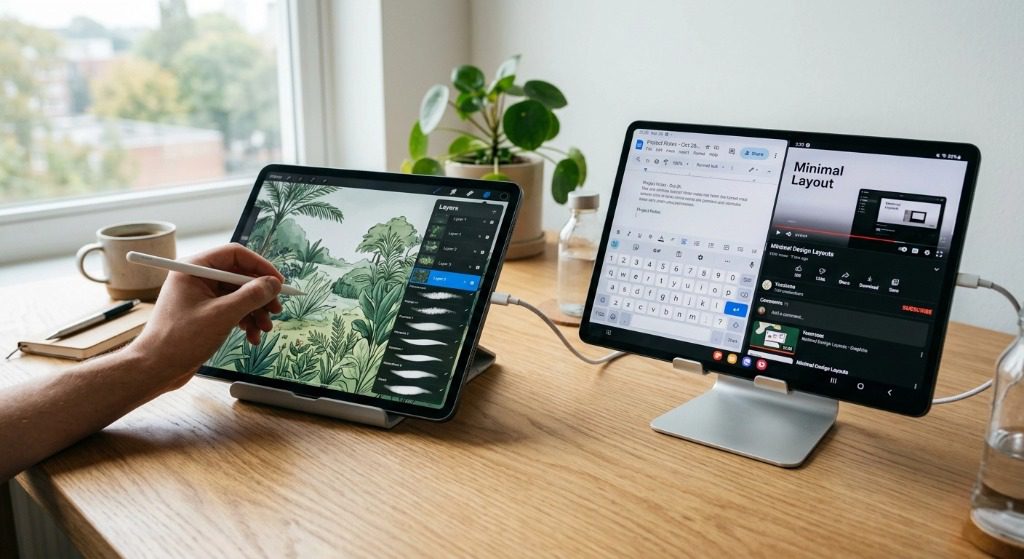
One of Apple’s biggest advantages is app quality on larger screens. Many developers still optimize tablet apps more carefully for iPad than for Android. This matters if you use drawing apps, video editing apps, note-taking tools, or productivity software regularly.
Long-term software support
iPads also have a strong reputation for lasting several years. That matters if you want a device that will still feel current after a long time. Current budget tablet coverage still highlights Apple’s standard iPad as a strong value partly because of long support life.
Performance
If raw speed matters, Apple remains hard to beat. Premium iPads continue to lead many direct comparisons in processing performance. Tom’s Guide’s comparison coverage, for example, shows the iPad Pro line beating Samsung’s flagship Android tablets clearly in benchmark performance.
Accessory and ecosystem experience
People already using an iPhone, Mac, or AirPods often find the iPad easier to fit into daily life. File sharing, message syncing, continuity features, and accessory support feel more seamless inside Apple’s ecosystem.
Where the iPad Falls Short
The iPad is not perfect. Price is one of the biggest drawbacks. Apple tablets often cost more than similarly positioned Android models, and accessories like keyboards and styluses can add a lot to the final price.
There is also less hardware variety. Apple gives you fewer size and feature combinations, while Android offers everything from budget media tablets to giant productivity-focused screens.
Storage flexibility is another weakness. Most iPads do not offer expandable storage. If you want microSD support, you will need to look at Android instead.
Some users also feel that iPadOS still sits awkwardly between tablet simplicity and laptop productivity. It is capable, but not everyone likes Apple’s multitasking style.
What Makes Android Tablets Different
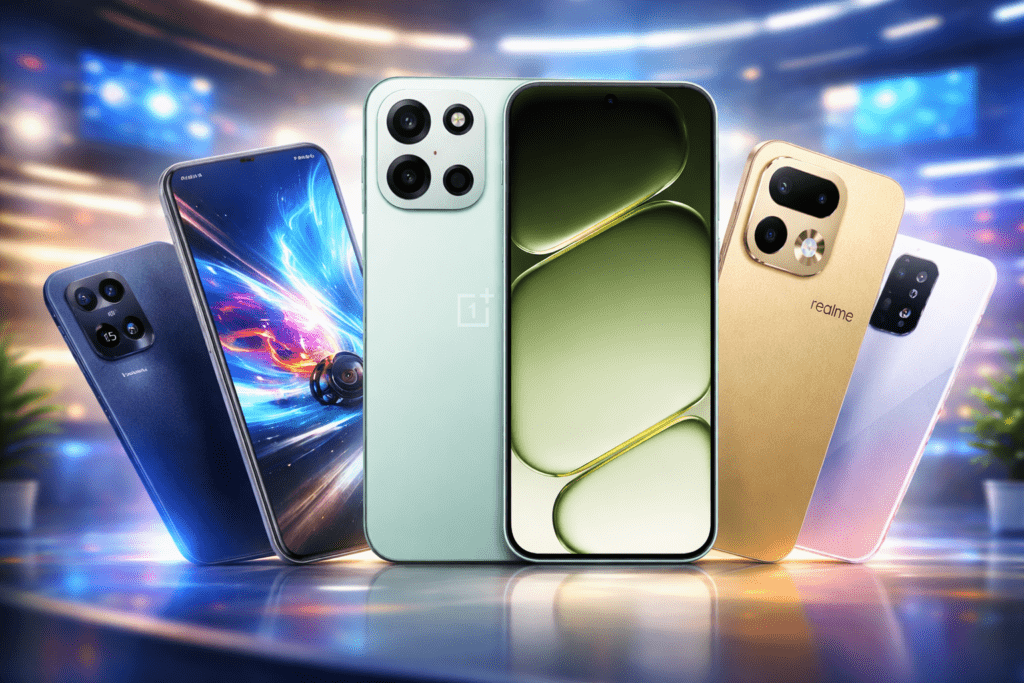
Android tablets are about choice. Instead of one company controlling everything, you can pick from Samsung, OnePlus, Lenovo, Xiaomi, Google, and others depending on your budget and priorities.
That variety gives Android real advantages. You can find affordable models for streaming and study, mid-range tablets with strong battery life, or premium devices with OLED displays, stylus support, desktop modes, and large screens. In 2026, the OnePlus Pad 3 has been widely highlighted as a standout Android option, while Samsung’s Galaxy Tab family remains a major choice for premium Android buyers.
Android tablets also tend to offer more hardware freedom. Features like microSD slots, water resistance on some premium Samsung models, and wider accessory styles can make them feel more practical for certain users.
Where Android Tablets Win
More price options
This is one of Android’s clearest strengths. There are good options at many price points, from budget entertainment tablets to high-end productivity devices. That makes Android easier to recommend for buyers who want value first.
Better hardware variety
Android tablets come in more shapes and sizes. Some focus on battery life, some on drawing, some on media, and some on multitasking. If you want a very large screen, an included stylus, or a unique form factor, Android often gives you more options.
Better value in many cases
Android tablets often deliver more hardware for the money. Current guides highlight models like the OnePlus Pad 3 and OnePlus Pad Go 2 as strong value choices, especially when compared with Apple’s higher pricing.
Productivity flexibility
Samsung’s DeX mode, keyboard options, split-screen tools, and file handling can make Android tablets feel more computer-like for some workflows. People who multitask heavily may prefer that style.
Where Android Tablets Fall Short
The biggest weakness is inconsistency. Not every Android tablet is equally good, and software support can vary a lot by brand and price tier. A premium Samsung tablet and a cheap no-name Android tablet do not offer the same experience at all.
App optimization is another issue. While Android has many excellent apps, tablet-specific optimization is still less consistent than on iPad. Some apps simply scale up from phone layouts instead of feeling designed for a larger screen.
Performance can also vary widely. High-end Android tablets are excellent, but lower-end models may age faster or feel less smooth over time.
iPad vs Android Tablet for Students
For students, both platforms can work well. The better choice depends on budget and study style.
An iPad is often a great pick for students who want reliability, note-taking apps, long-term value, and access to strong educational software. It feels polished and easy to manage.
An Android tablet is often better for students on a tighter budget or those who want a larger display for less money. Some Android models also offer included stylus support or keyboard flexibility, which can lower the total cost.
If budget matters most, Android usually wins. If long-term reliability matters most, iPad often wins.
iPad vs Android Tablet for Entertainment
If your main use is watching videos, browsing, reading, and casual gaming, both can be great.
The iPad gives you a polished media experience with strong speakers, excellent app support, and smooth performance. Android tablets, however, often give you bigger displays and great battery life for less money. Tom’s Guide and Android Central both currently point to Android tablets like the OnePlus Pad 3 and Pad Go 2 for strong battery and media value.
For pure value entertainment, Android is often the smarter buy. For overall refinement, the iPad usually feels better.
iPad vs Android Tablet for Work
For work, the answer depends on the type of work.
If you need creative apps, strong performance, and a smooth professional experience, the iPad is usually the stronger option. It is especially appealing for artists, editors, and users deep in the Apple ecosystem.
If you want more flexibility with file access, multitasking, external storage, or desktop-style features, Android can be better. Samsung tablets in particular often appeal to users who want their tablet to act more like a light laptop replacement.
Which One Is Better for Gaming
The iPad generally has the edge in gaming performance, especially on higher-end models. Apple’s chips remain extremely powerful, and game performance is often excellent.
Android tablets can still be very good for gaming, especially premium or gaming-focused models, but the experience depends more on which tablet you choose. For top performance, iPad is the safer choice. For gaming on a budget, Android gives you more options.
Which One Gives Better Value
Value depends on your budget.
If you want the best long-term balance of speed, app quality, and support, the iPad offers strong value even if the starting price is higher.
If you want the most features for your money right now, Android often wins. A good Android tablet can give you a bigger screen, good battery life, stylus features, and useful extras at a lower cost.
So the value winner is not universal. The iPad gives premium long-term value. Android gives stronger short-term hardware value.
Who Should Buy an iPad
You should buy an iPad if you want:
- a polished and reliable tablet experience
- better tablet app optimization
- strong performance
- longer software support
- closer integration with iPhone, Mac, or AirPods
Who Should Buy an Android Tablet
You should buy an Android tablet if you want:
- more choice in price and hardware
- better value for money
- larger screens for less
- features like microSD or desktop-style multitasking
- flexibility across different brands
Final Verdict
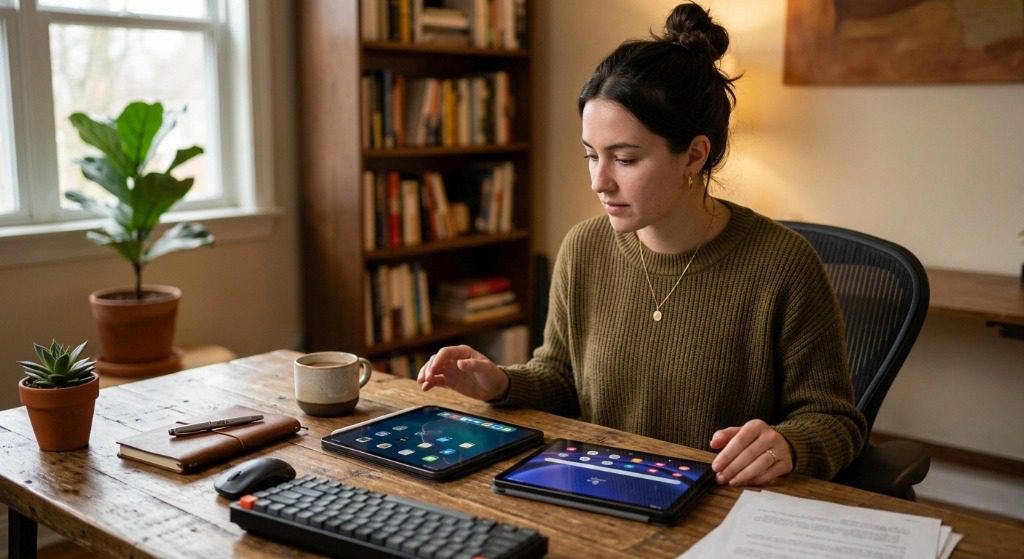
The iPad vs Android tablet debate does not have one universal winner.
Choose an iPad if you want the safest all-round experience. It is usually the better option for people who care about polished software, performance, creative work, and long-term reliability.
Choose an Android tablet if you want better variety, stronger value, and more freedom in hardware and features. For many buyers, especially budget-conscious users, Android tablets make more sense.
In simple terms, the iPad is usually the better premium tablet, while Android tablets are often the better value tablets. The right choice comes down to your budget, your apps, and what you expect your tablet to do every day.
For more detailed tablet comparisons and expert reviews, you can visit websites like Tom’s Guide and Android Central.
If you are also comparing larger screen devices, check out our guide on Chromebook vs Laptop vs Tablet to understand which one fits your needs better.