

A New Era for Everyday Health Technology
Digital health gadgets 2026 are changing how people track and manage their health in everyday life. These smart devices are no longer limited to counting steps. Instead, they now provide real-time insights, personalized data, and smarter health tracking that fits into daily routines.
What makes this shift important is not just better hardware. The real difference is intelligence. Many digital health gadgets now do more than collect data. They can study patterns, notice changes, and provide context that feels more meaningful to the user. Instead of only telling someone how many hours they slept, newer devices try to explain sleep quality, recovery, or trends over time. Instead of simply recording heart rate, they aim to detect changes that may matter for exercise, stress, or overall wellness. This smarter approach is helping health gadgets feel less like accessories and more like helpful companions.
Smarter Sensors Are Driving Better Insights
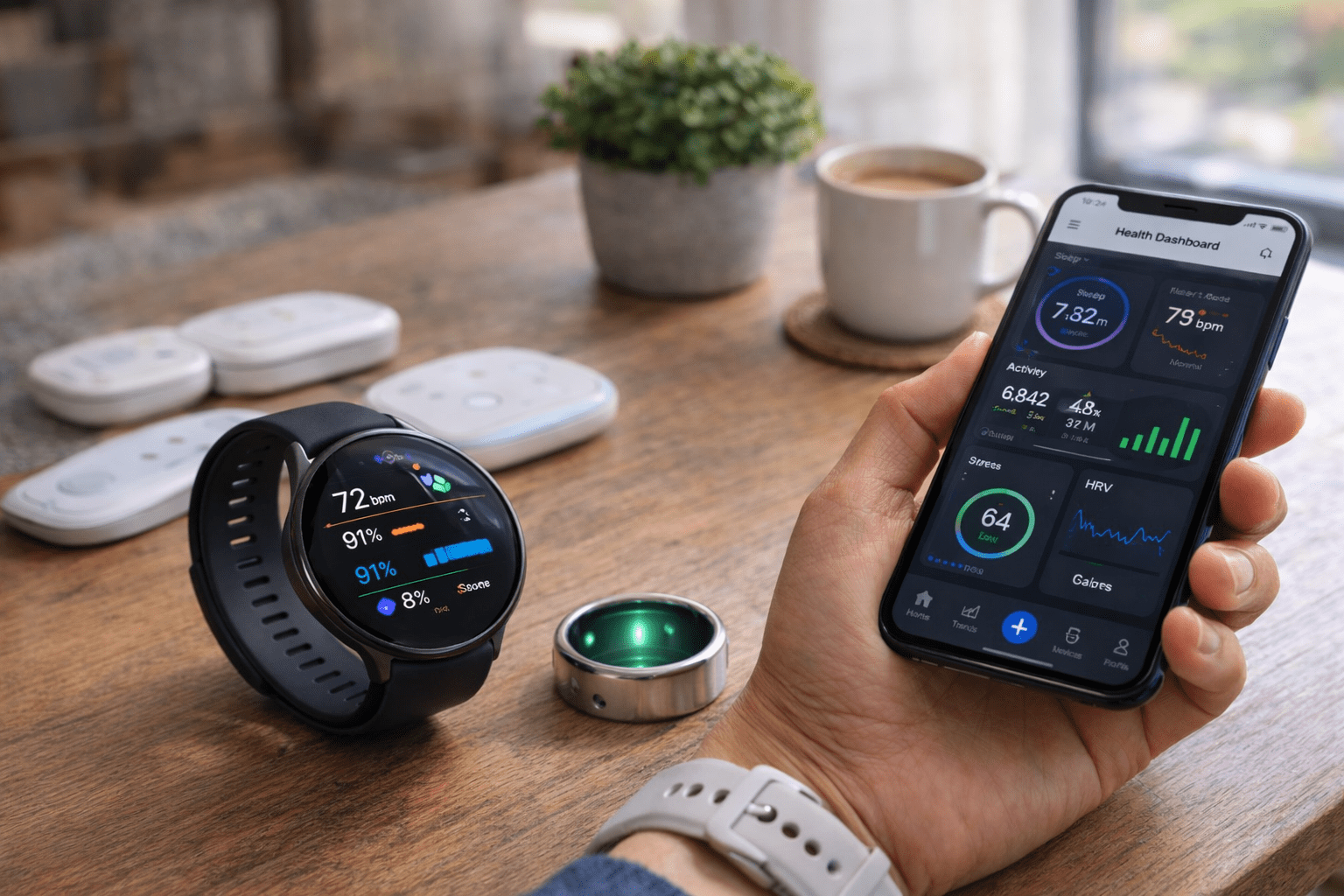
One of the biggest reasons digital health gadgets are improving is the development of smarter sensors. Better sensors allow devices to measure more signals with improved consistency, which helps software create more useful insights. Industry focus in 2026 continues to center on wearables, movement trackers, smart rings, diagnostic platforms, and sensor-based digital health technology. That means the future of health gadgets depends not only on app design, but also on how accurately a device can capture the body’s signals in the first place.
This matters because health information is only valuable when it leads to clarity. A smartwatch that notices recovery patterns after exercise, a ring that tracks overnight changes, or a remote monitoring device used at home becomes more helpful when the underlying sensors are reliable enough to detect meaningful shifts. In 2026, the conversation around digital health gadgets is increasingly about precision, comfort, and continuous monitoring rather than one-time readings. That is a big step forward from the older generation of fitness-first wearables.
AI Is Making Health Gadgets More Personal
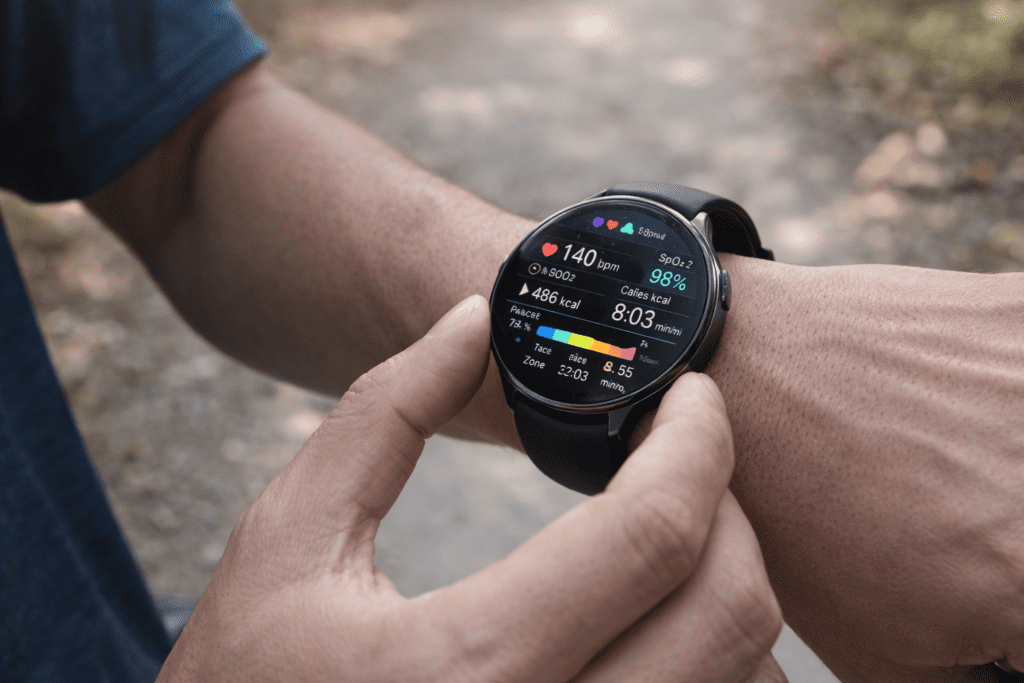
Artificial intelligence is one of the biggest reasons health gadgets are becoming smarter. AI helps devices interpret large amounts of data and present it in a simpler way. Instead of overwhelming users with numbers, modern gadgets try to identify patterns and convert them into suggestions or alerts. CES 2026 coverage specifically pointed to wearables that now offer real-time assistance, personalized alerts, and advanced health tracking, which shows how AI is moving these products toward more active guidance.
This personalization can make health technology feel far more practical. Two people may sleep for the same number of hours, but their devices may show very different recovery patterns based on past behavior, activity levels, or stress signals. That kind of interpretation is what separates smart health gadgets from older devices that only displayed raw numbers. The same trend is showing up across the wider wearable market, where AI-driven health analytics are becoming a major part of how companies position upcoming devices.
Still, personalization also brings responsibility. AI-generated health feedback can be helpful, but it should not be treated like a full medical diagnosis unless the product is clearly approved for that purpose. That distinction is becoming more important as devices grow more capable. In early 2026, the FDA said it would ease oversight for low-risk wellness wearables while maintaining stricter expectations for devices that make stronger medical-style claims. That tells us the market is expanding, but the line between wellness and medical technology still matters.
Remote Monitoring Is Expanding Beyond Hospitals
Another major shift in 2026 is the growth of remote monitoring. Digital health gadgets are increasingly being used not just by fitness enthusiasts, but also in connected care environments. CES and FDA materials both point to remote monitoring as a major area of digital health development, while newer systems are being designed to collect multiple physiological signals from home and transmit them for professional oversight.
This trend matters because it changes where healthcare can happen. Instead of relying only on clinic visits, some health conditions can be followed more consistently through connected devices used at home. Even outside formal healthcare systems, consumers are becoming more familiar with the idea that wearables can help them notice changes earlier and stay more aware of their own habits. That growing comfort with always-on monitoring is one reason digital health gadgets feel smarter in 2026. They are no longer isolated devices. They are part of a larger connected experience.
The Focus Is Shifting From Fitness to Overall Wellness
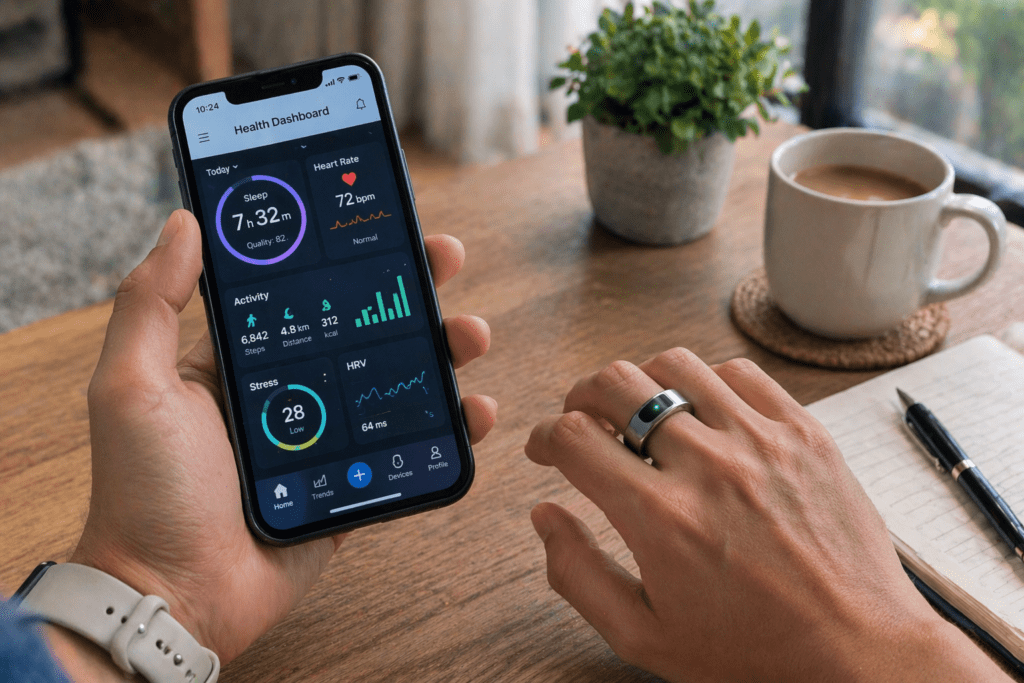
For years, most health gadgets were mainly fitness products. They were designed for step counts, workout logs, and calorie estimates. In 2026, the category is clearly broadening. Health gadgets now sit at the intersection of fitness, wellness, accessibility, prevention, and connected care. CES has placed strong emphasis on wearables, digital therapeutics, next-generation sensors, and tools that support more independent living. This wider scope suggests that the future of digital health is not only about improving gym performance, but also about helping people manage daily well-being more intelligently.
That shift also makes these devices more relevant to a wider audience. A person who is not interested in athletic training may still care about sleep quality, stress patterns, recovery, or reminders that support healthier routines. The smarter digital health gadget is becoming less like a niche device and more like a mainstream life tool. That is a major reason the category is attracting so much attention in 2026.
Privacy, Accuracy, and Trust Still Matter
Even as digital health gadgets improve, users still have valid concerns. More data collection means more questions about privacy, security, and trust. There are also concerns about how accurate some features really are, especially when companies present wellness tools in a way that feels close to medical advice. Recent FDA activity and Reuters reporting show that regulators are paying closer attention to health-related claims in wearables, especially when devices start entering territory that could influence diagnosis or treatment decisions.
Because of that, the smartest gadgets in 2026 are not just the ones with the most features. They are the ones that balance innovation with clarity. Users need to understand what a device can do, what it cannot do, and when professional medical advice is still necessary. As digital health technology becomes more powerful, trust may become just as important as performance.
Final Thoughts
Digital health gadgets are becoming smarter in 2026 because they are combining better sensors, AI-powered analysis, more personalized feedback, and deeper connections to remote care. They are moving beyond simple activity tracking and becoming more aware of the user’s habits, patterns, and everyday needs. At the same time, the industry is learning that smarter technology must also be safer, clearer, and more trustworthy.
The result is a category that feels more mature than ever before. Health gadgets are no longer just trendy accessories. They are gradually becoming serious tools for daily wellness, preventive care, and smarter living. If the current direction continues, 2026 may be remembered as the year digital health gadgets started feeling truly intelligent.
For more insights on global digital health trends, you can visit the official World Health Organization digital health page.
Don’t miss our detailed post on PlayStation Plus April 2026 Free Games Revealed, covering all the free games and highlights.