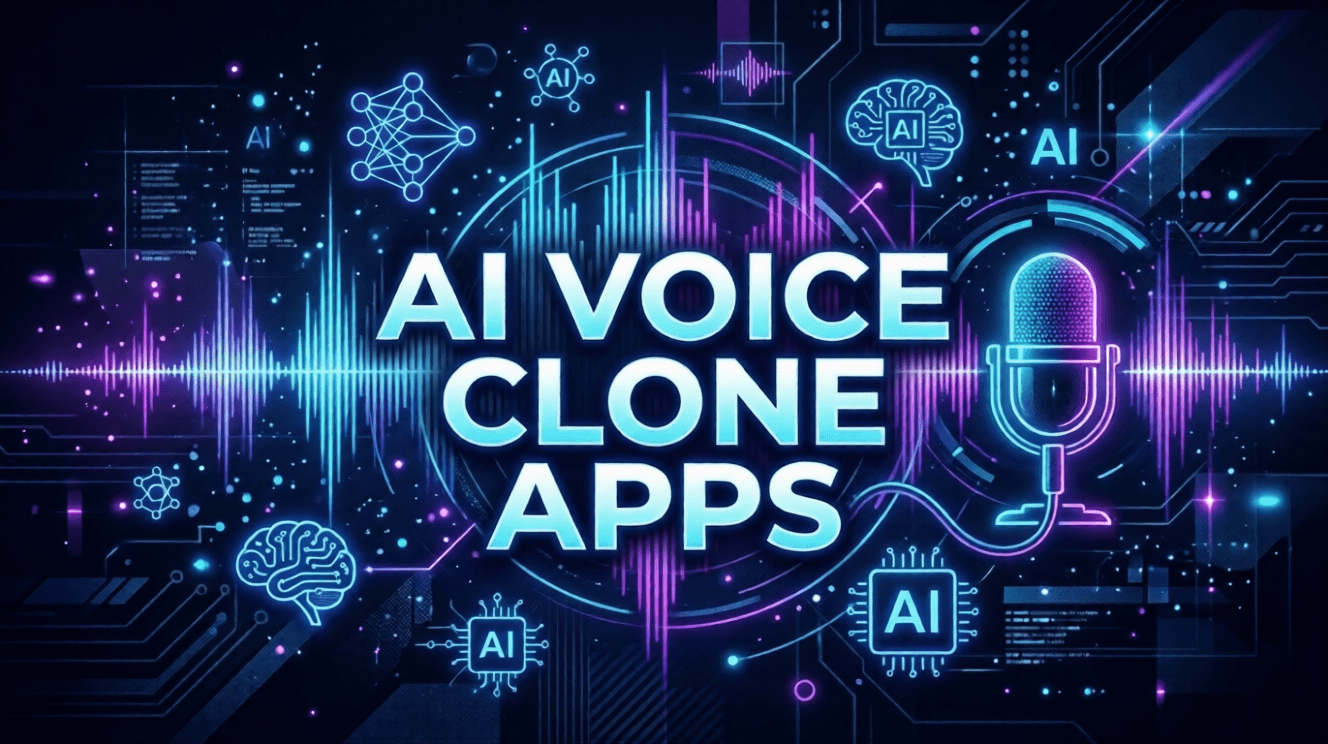
The rise of AI voice clone apps has opened up entirely new possibilities for creators and businesses alike. Instead of spending hours recording voiceovers, these apps can generate realistic speech from just a few audio samples. Whether you’re producing podcasts, e-learning content, or interactive AI assistants, AI voice clone apps make it easier than ever to bring digital voices to life.
Artificial Intelligence has transformed many aspects of our digital lives, and one of the most fascinating areas is AI voice cloning. Imagine being able to replicate a voice—your own or someone else’s—digitally with high accuracy. This technology is no longer limited to Hollywood productions or research labs; it is now accessible to everyday users through various apps and software. AI voice cloning has applications in content creation, accessibility, entertainment, and even personal projects. In this article, we explore the best AI voice clone apps available today, their features, and how they can be used safely and effectively.
What Is AI Voice Cloning?
AI voice cloning is the process of using artificial intelligence to create a digital copy of a person’s voice. By analyzing audio samples, machine learning models learn the unique characteristics of a voice, including tone, pitch, accent, and speech patterns. Once trained, the AI can generate new speech that mimics the original voice with surprising realism.
This technology is different from traditional text-to-speech (TTS) software. While TTS converts text to speech using pre-recorded or generic voices, AI voice cloning can produce highly personalized, lifelike speech that sounds almost identical to the original speaker.
The applications of voice cloning are wide-ranging. Creators use it to produce podcasts, videos, and audiobooks without recording their own voice repeatedly. Accessibility tools leverage voice cloning to give a unique, natural voice to text-to-speech systems for individuals with speech impairments. Businesses and educators use it to create personalized announcements, training materials, and more.
Top AI Voice Clone Apps
Several AI voice cloning apps have gained popularity for their accuracy, ease of use, and features. Below are some of the best options you can try today.
1. ElevenLabs
ElevenLabs is widely recognized for its high-quality AI voice synthesis. It offers an intuitive interface and a variety of voices that can be customized for different tones and emotions. The platform also allows users to clone voices with just a few minutes of audio.
- Features: Realistic voice cloning, emotional voice modulation, multi-language support, easy text-to-speech generation.
- Use Cases: Audiobooks, content narration, voiceovers for videos.
- Pros: Very natural-sounding voices, adjustable speech style.
- Cons: Free tier has limitations on usage and downloads.
ElevenLabs: https://elevenlabs.io
2. Descript Overdub
Descript is a popular tool for video and audio editing, and its Overdub feature allows users to create AI voice clones. It requires permission from the person whose voice is being cloned, making it a safer and more ethical option.
- Features: AI voice cloning, text-to-speech editing, seamless audio editing within a full production suite.
- Use Cases: Podcasting, content editing, creating voiceovers without recording multiple takes.
- Pros: Integrates with full audio/video editing tools, legal and ethical voice usage.
- Cons: Limited voice cloning options compared to specialized platforms.
Descript Overdub: https://www.descript.com/overdub
3. Resemble AI
Resemble AI focuses on creating realistic AI voices and offers both a web platform and API integration for developers. Users can generate speech in multiple languages and even add emotional inflections to make voices sound natural.
- Features: Realistic voice cloning, API support for developers, emotion-based speech synthesis, multilingual support.
- Use Cases: Gaming, virtual assistants, AI characters, accessibility tools.
- Pros: High customization, developer-friendly, robust emotional control.
- Cons: Can be complex for beginners without technical knowledge.
Resemble AI: https://www.resemble.ai
4. iSpeech
iSpeech has been in the text-to-speech market for a long time but now includes AI voice cloning features. It is user-friendly and requires minimal technical skill to generate a cloned voice.
- Features: Voice cloning, cloud-based TTS, mobile app support.
- Use Cases: Voiceovers for mobile apps, audiobooks, accessibility applications.
- Pros: Simple interface, mobile-friendly, cost-effective.
- Cons: Less natural than some newer AI voice cloning platforms.
iSpeech: https://www.ispeech.org
5. VocaliD
VocaliD specializes in creating unique voices for individuals who have lost their ability to speak. Its AI voice cloning system allows users to craft highly personalized voices that retain emotional nuances.
- Features: Custom voice creation, accessibility focus, natural-sounding voice output.
- Use Cases: Personal communication aids, assistive technology, branding projects.
- Pros: Ethical and accessible, supports people with speech disabilities.
- Cons: Limited mainstream entertainment features.
VocaliD: https://www.veritonevoice.com
6. Murf AI
Murf AI is a versatile platform for voiceover professionals and content creators. Its AI voice cloning feature allows users to create a digital version of their voice or choose from pre-made voices.
- Features: Voice cloning, studio-quality text-to-speech, adjustable voice tones and pitches.
- Use Cases: Marketing videos, e-learning materials, presentations.
- Pros: Professional-grade audio, intuitive user interface.
- Cons: Subscription required for premium features.
Murf AI: https://murf.ai
How to Use AI Voice Cloning Safely
AI voice cloning offers many possibilities, but it also comes with ethical and legal responsibilities. Here are some tips to use these tools safely:
- Get Permission: Only clone voices with explicit consent from the person. Using someone’s voice without approval could lead to legal consequences.
- Avoid Deepfake Misuse: Do not use AI voice clones for impersonation or spreading misinformation. Ethical use is critical.
- Protect Your Own Voice: If you create a voice clone of yourself, make sure to store the audio securely to prevent misuse.
- Label AI Content: Clearly disclose when content uses AI-generated voices, especially in public media or educational contexts.
Tips for Best Results
- Provide Clear Audio Samples: The quality of the voice clone depends on the quality and length of the original recordings. Clear, noise-free samples yield the best results.
- Adjust Parameters: Many apps allow tone, speed, and emotion adjustments—experiment to make the voice sound natural.
- Combine with Editing Tools: Pair AI voice clones with audio editing software for professional-quality output.
- Test Multiple Platforms: Different apps have strengths in different areas—try several to see which best suits your project.
Future of AI Voice Cloning
The technology behind voice cloning is evolving rapidly. Future advancements are expected to produce voices that are nearly indistinguishable from human speech, capable of conveying subtle emotions and complex intonations. Developers are also working on improving multilingual capabilities and reducing the need for large datasets to train a voice.
AI voice cloning will likely expand into more industries, including gaming, virtual reality, customer service, and education. Personalized AI assistants, voice-enabled content creators, and adaptive audio books could become the norm. However, ethical guidelines and regulations will play a crucial role in preventing misuse.
Conclusion
AI voice cloning apps are no longer a futuristic concept—they are accessible, easy to use, and powerful tools for creators, businesses, and individuals. Platforms like ElevenLabs, Descript, Resemble AI, iSpeech, VocaliD, and Murf AI provide a range of features suitable for different needs, from professional voiceovers to accessibility tools.
While the technology is impressive, it comes with responsibilities. Using AI voice clones ethically and legally ensures that the technology benefits everyone without causing harm. By understanding the tools, following best practices, and experimenting with features, anyone can harness the potential of AI voice cloning for creative, practical, and professional purposes.
Voice cloning is a glimpse into the future of human-computer interaction, where AI can replicate the uniqueness of human speech and make digital communication more personalized than ever before. As this technology matures, it’s exciting to imagine how our voices—both real and AI-generated—will shape the way we create, communicate, and connect.
For more insights on AI tools, check out our guide on Top AI Websites Everyone Is Using in 2026.