
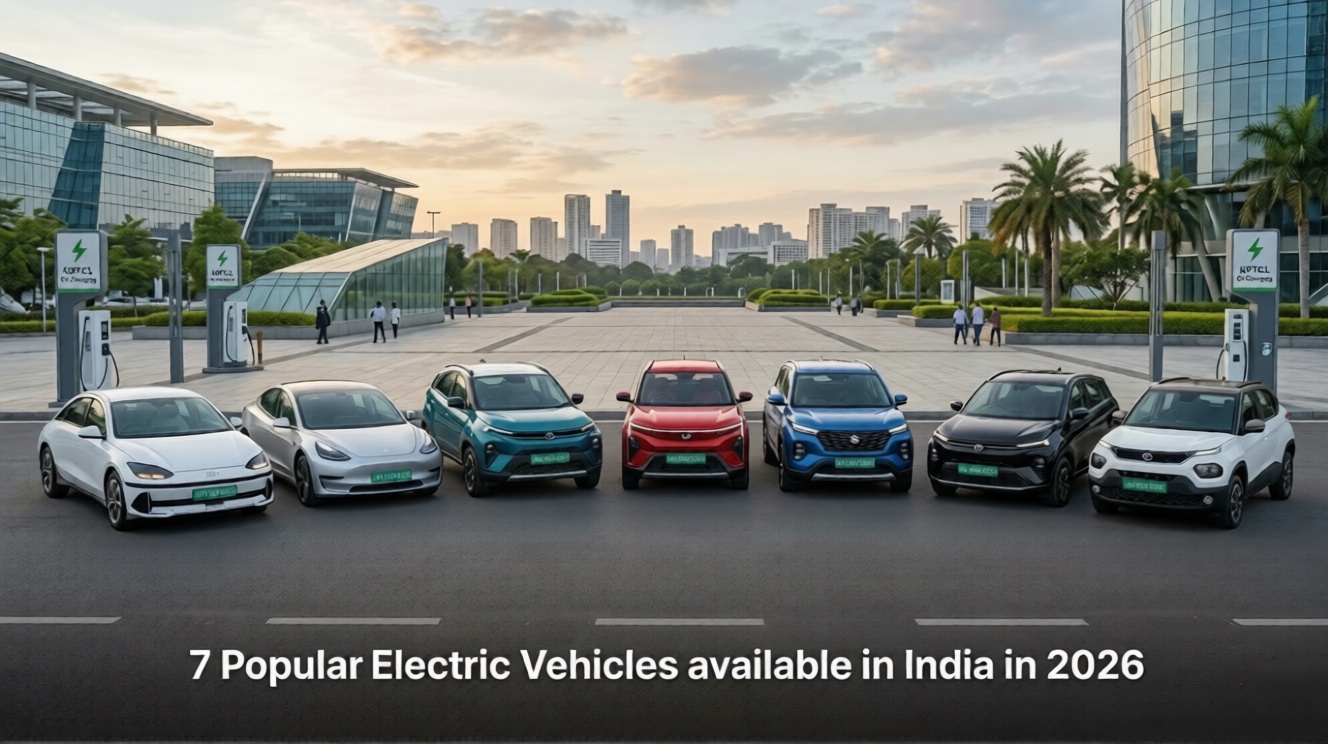
Electric Vehicles in India 2026 are transforming the way people drive. With improved range, faster charging, and advanced features, Electric Vehicles in India 2026 are becoming more practical than ever.
When considering Electric Vehicles in India 2026, buyers now have a variety of options, from affordable city EVs to premium luxury models.
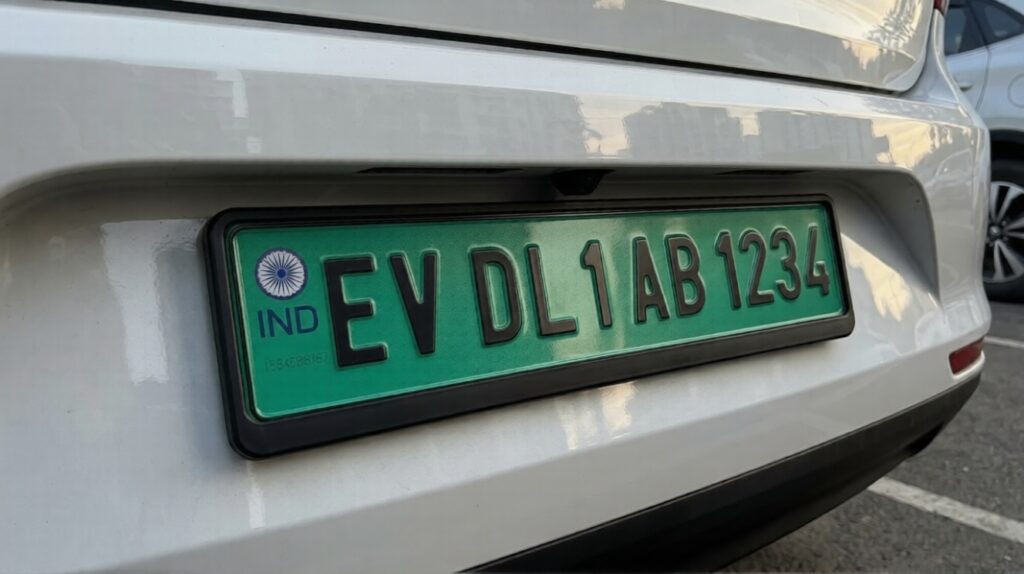
Top Electric Vehicles in India 2026 :
1. Hyundai Ioniq 6
Overview: Hyundai’s Ioniq series has consistently pushed boundaries, and the Ioniq 6 is one of the most efficient EV sedans available globally.
Range & Battery Life: Around 550–600 km on a full charge based on international WLTP figures, thanks to aerodynamic design and efficient battery management.
Charging & Network: Supports 800‑volt fast charging. On compatible DC fast chargers, the battery can go from low to around 80% in roughly 18–30 minutes under ideal conditions.
India Price: Expected to start from around ₹41 lakh for base variants in India (industry pricing estimates). Uptodate pricing listings suggest this model is positioned in the premium EV sedan bracket when it launches here.
Unique Features:
- Advanced regenerative braking modes.
- Efficient battery thermal control.
- Multiple drive modes and high‑precision steering.
Value Perspective: For buyers looking for long range and premium tech without going into full luxury EV prices, this is among the most compelling EV sedans likely available in India in 2026.
2. Tesla Model 3 (Approximate India Price)
Overview: Tesla’s popular mid‑sized EV has generated global buzz for its balance of performance, range, and charging ecosystem.
Range & Battery Life: Globally, the Model 3 offers around 500–600 km of range depending on variant and driving conditions.
Charging & Network: Strong advantage with access to Tesla’s Supercharger ecosystem where available; overall charging speeds are competitive in the EV segment.
India Price: While Tesla has not officially disclosed full India pricing for the Model 3 at launch, listings and industry sources put it around ₹60 lakh (estimated), similar to other imported EVs in the premium category like MINI or high‑end BYD models.
Unique Features:
- Autopilot with optional Full Self‑Driving (software‑based autopilot features require supervision).
- Over‑the‑air updates for features and performance.
- Minimalist but advanced interior tech.
Value Perspective: The Model 3’s price positions it in the premium EV segment. Buyers get Tesla’s software ecosystem and global brand appeal, though availability and service network will be important considerations.
3. Tata Nexon EV (India Bestseller)
Overview: One of India’s best‑selling EVs, the Tata Nexon EV balances practicality, range, and affordability.
Range & Battery Life: Around 350–400 km real‑world range, which is excellent for both urban use and short out‑of‑town trips.
Charging & Network: DC fast charging supported; typical charging sessions can go from 10% to 80% in under an hour on a proper fast charger.
India Price: Around ₹12.49 lakh to ₹19.99 lakh (ex‑showroom).
Unique Features:
- Robust safety features for Indian conditions.
- Good resale value and dealer/service network across India.
- Real‑time mobile app connectivity and trip planning.
Value Perspective: Excellent value‑for‑money option in the compact SUV EV segment for Indian buyers, particularly first‑time EV owners.
4. Mahindra BE 6 EV
Overview: A mid‑sized SUV from Mahindra aimed at family and daily driving with good range and cabin space.
Range & Battery Life: Approximately 550–680 km depending on variant and driving conditions (based on ARAI and industry figures for large battery packs).
Charging & Network: DC fast charging support; a competitive charging curve helps minimise long stops.
India Price: Around ₹18.90 lakh to ₹28.49 lakh (ex‑showroom).
Unique Features:
- Spacious and comfortable interior with family‑friendly tech.
- Strong safety ratings and modern infotainment.
Value Perspective: This model positions itself as a premium yet accessible SUV EV, ideal for country‑wide driving and daily usage.
5. Maruti Suzuki e Vitara
Overview: The Maruti Suzuki e Vitara is one of the first mainstream EVs from India’s largest carmaker and comes with an innovative battery rental option to keep upfront costs lower.
Range & Battery Life: Claimed range up to around 500+ km depending on battery pack (based on global spec inference and early test data).
Charging & Network: Standard public DC fast charging supported; home charge option also available with accessory chargers.
India Price: Around ₹10.99 lakh (ex‑showroom) under the battery‑as‑a‑service plan, which significantly reduces the initial cost.
Unique Features:
- Battery rental plan keeps upfront price low while you pay per km for usage.
- Strong local manufacturing and service network.
Value Perspective: This makes the e Vitara one of the most accessible EVs for Indian buyers, especially first‑time EV customers.
6. MG Windsor EV
Overview: A value‑oriented EV from MG Motor India, aimed at buyers wanting a mix of style, comfort, and practicality.
Range & Battery Life: Around 330–450 km on a full charge.
Charging & Network: Typical fast charging capabilities available; home chargers work well for overnight top‑ups.
India Price: Around ₹14 lakh to ₹18.50 lakh (ex‑showroom).
Unique Features:
- Attractive cabin design with large touchscreen and software updates.
- Practical SUV stance for Indian conditions.
Value Perspective: Good option for those wanting mid‑range SUV feel without going into high EV prices.
7. Tata Punch EV (Compact EV)
Overview: A small, city‑friendly EV that’s affordable and practical for everyday use.
Range & Battery Life: Around 275–350 km depending on variant.
Charging & Network: Standard DC fast charging support; easy home charging options.
India Price: Around ₹9.69 lakh to ₹12.59 lakh (ex‑showroom).
Unique Features:
- Compact, easy to drive in cities.
- Strong safety and service support.
Value Perspective: One of the most affordable EVs in India, ideal for city dwellers and first‑time buyers.
Buying EVs in India in 2026: What Trends to Watch
- Expanding Charging Infrastructure: India’s public and private charging networks are growing each year, making long‑distance travel simpler than before (especially between major cities and highways).
- Government Incentives: Subsidies like FAME and state‑level benefits continue to reduce ownership costs.
- Battery Options and Plans: Options like battery rental plans are emerging as a way to keep upfront prices low while managing long‑term battery costs (as seen with the e Vitara).
Our detailed comparison of the Samsung Galaxy S24 Ultra vs iPhone 17 Pro Max explores camera performance, battery life, display quality, and software experience, helping you decide which device suits your needs best. Check out the full review here: Samsung Galaxy S24 Ultra vs iPhone 17 Pro Max
For official specifications and features, visit the Tesla Model 3 Official Website
Electric Vehicles in India 2026 are no longer niche products. With government incentives, expanding charging infrastructure, and advanced technology, Electric Vehicles in India 2026 offer something for every buyer.


One Comment